
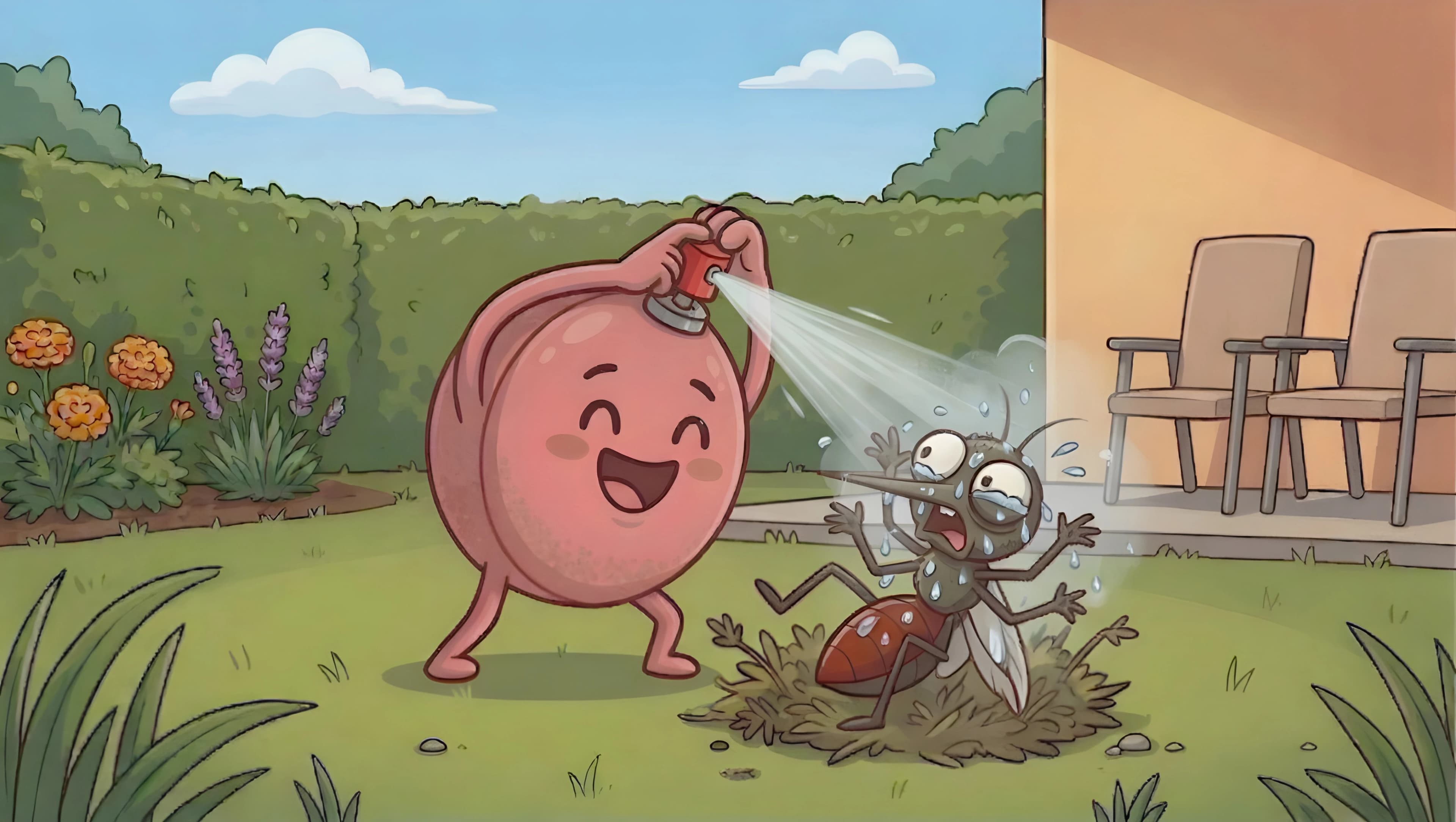
When travelling to areas where malaria and other insect-borne diseases are present, protecting yourself from insect bites is crucial for your health and safety. This comprehensive guide covers effective strategies for bite prevention and management.
Understanding the Risk
Mosquitoes and other insects can transmit serious diseases including malaria, dengue fever, Zika virus, and yellow fever. The risk varies by destination, season, and activities planned during your trip.
Effective Insect Repellents
DEET-Based Repellents
DEET (N,N-diethyl-meta-toluamide) remains the gold standard for insect repellents:
- Use concentrations of 20-30% for most travel situations
- Higher concentrations (up to 50%) provide longer protection
- Apply every 4-8 hours depending on concentration
- Safe for adults and children over 2 months
Alternative Repellents
- Picaridin: Effective alternative to DEET, less greasy, odourless
- IR3535: Good for sensitive skin, suitable for children
- Lemon eucalyptus oil: Natural option, requires more frequent application
Protective Clothing
- Wear long-sleeved shirts and long trousers, especially during dawn and dusk
- Choose light-colored clothing - mosquitoes are attracted to dark colors
- Treat clothing with permethrin for additional protection
- Wear closed shoes and socks rather than sandals
Environmental Protection
Accommodation
- Stay in air-conditioned or well-screened accommodations
- Use bed nets, preferably treated with insecticide
- Check for holes in screens and repair if necessary
- Keep doors and windows closed, especially at night
Outdoor Activities
- Avoid outdoor activities during peak mosquito hours (dawn and dusk)
- Use fans - mosquitoes are weak fliers
- Eliminate standing water around your accommodation
- Consider portable mosquito nets for outdoor dining
Application Tips
- Apply repellent to exposed skin only
- Don't apply under clothing or to covered areas
- Avoid contact with eyes, mouth, and open wounds
- Wash hands after application
- Reapply after swimming or excessive sweating
If You Get Bitten
- Clean the bite area with soap and water
- Apply a cold compress to reduce swelling
- Use antihistamines for allergic reactions
- Avoid scratching to prevent secondary infection
- Monitor for signs of illness and seek medical attention if symptoms develop
Special Considerations
Pregnancy and Children
- Pregnant women and young children should take extra precautions
- DEET is safe during pregnancy when used as directed
- Children under 2 months should not use DEET-based repellents
- Consider physical barriers (clothing, nets) as primary protection for infants
Combining with Sunscreen
- Apply sunscreen first, then insect repellent
- Allow each product to dry before applying the next
- Avoid combination products - they require different reapplication schedules
Important: Bite avoidance should be used alongside other preventive measures such as antimalarial medication when travelling to malaria-endemic areas. Consult with a travel health specialist before your trip for personalized advice.
Continue exploring
Related reading
Which Travel Vaccinations Are Free on the NHS? A Southampton Guide
Some travel vaccines may be available through your GP, while others are private. Find out where to start, what may be funded and what to do when departure is approaching.
Read article
Last-Minute Travel Vaccinations in Southampton: Is It Too Late?
Travelling soon and still need vaccines or malaria tablets? See what may still be possible and how to arrange a short-notice appointment with Southampton Travel Vaccines in Southampton.
Read article
Do I Need Vaccinations for a Cruise from Southampton?
Your cruise leaves Southampton, but your health requirements come from the whole route. Learn how ports, transits, excursions and personal health shape the advice.
Read article